
Health Blog
Written by Dr. Heo Ji-young. Each piece takes a single symptom and follows what is actually happening in the body.
When the Epigastrium Is Pressed, the Breath Grows Shallow
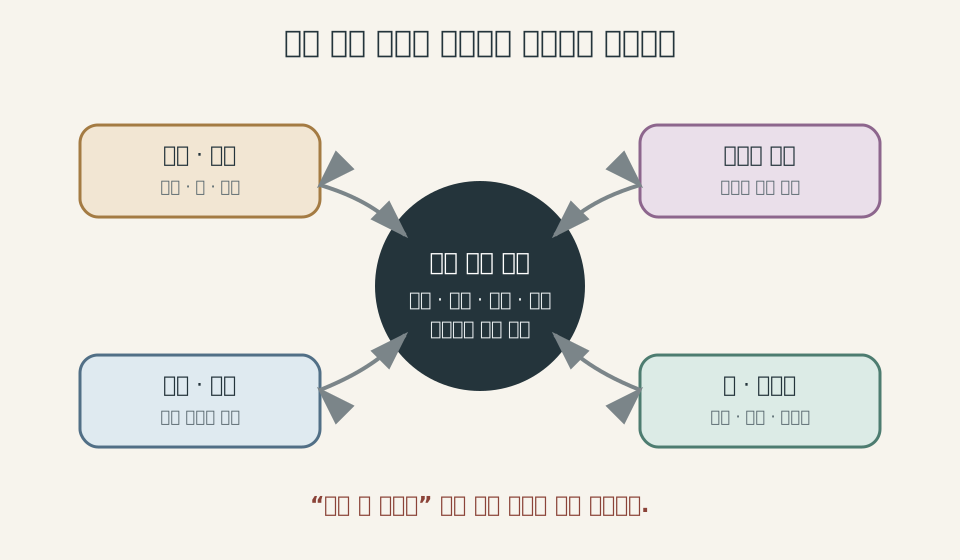
Why does the epigastrium feel so full it pushes upward, and the breath grow tight along with it, even without eating very much? When food enters, the stomach normally relaxes its wall to make room — when that ability declines, whatever comes in turns directly into pressure. I look at three layers together: the stomach wall, the abdominal wall, and the chest wall. Weight loss, black stools, or difficulty swallowing call for a stomach examination first.
When the Gut Keeps Talking to the Brain
Lower abdominal pain one week, epigastric tightness the next, acid rising the week after — the tests come back normal each time, so why does the symptom just keep moving? There is a human study showing that, two years after gastroenteritis had healed, the nerves of the gut remained oversensitive. I look not at quantity but at where the threshold for feeling sits. Weight loss, blood in the stool, or nighttime pain call for a colon examination first.
When the Heart Races and the Cold Sweat Comes
When the heart suddenly races, the hands tremble, and a cold sweat breaks out, is that an autonomic problem? I ask first, “about what time does this happen to you?” The list of signals low blood sugar produces overlaps almost exactly with the “autonomic” list, and sometimes the issue is not the number itself but how fast it is falling. If consciousness has ever grown foggy, checking the blood sugar at that moment comes first.
When Palpitations Are Not About the Mind
If palpitations, hand tremor, heat intolerance, and weight loss arrive together, is that a matter of the mind? This cluster overlaps almost exactly with the symptoms of hyperthyroidism, and there are times I recommend a blood test before I even take the pulse. Even the same signal is experienced differently when the receiving side has changed. If this cluster continues for several weeks, a thyroid blood test comes first.
Sleep Is Both Cause and Result
“If I could just sleep, I think I’d get better” — is sleep really the place to start? Sometimes poor sleep unsettles the body, and sometimes an unsettled body ruins the sleep. Not being able to fall asleep and waking up partway through are two different things, and where to break the loop differs from person to person. If snoring is joined by breathing that stops, or by severe daytime sleepiness, a sleep study comes first.
Menopause: When the Baseline Itself Shifts
Around fifty, why would a ring no longer fitting and stiff fingers have anything to do with menopause? In this stage of life, the baseline the body maintains shifts in several places at once — not only in the sense of heat, but in bone, in tendons and ligaments, even in the hands. The greatest upheaval comes not from levels being low but from the process of shifting itself. Bleeding after menopause should be checked first.
The Autonomic Nervous System Is Not a Diagnosis
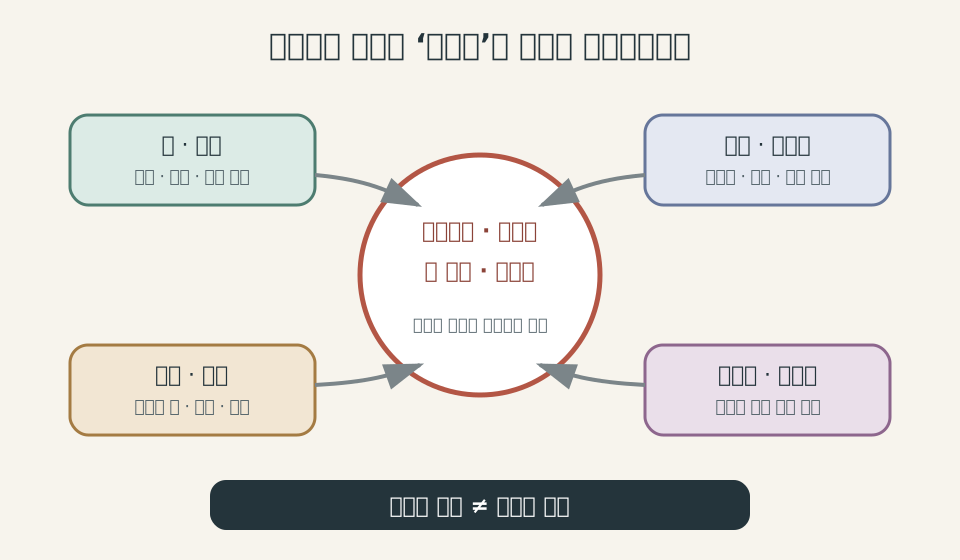
If palpitations, digestive discomfort, and cold hands and feet arrive together while every test comes back normal, why is “autonomic” the only name left standing? This name is not a diagnosis — it is a word that tells you where to look. I examine four branches together: the gut, pressure, metabolism, and hormones. Unexplained weight loss, fainting, or a fever that will not go away call for testing first.
Why It Is Hard to Point Exactly at Where It Hurts
When I ask where it hurts, many people rub a broad area with the palm and say it is about here. It is because the signal coming up from inside the body and the signal coming up from the skin go into the same place in the spinal cord together. So the place that hurts and the place where the trouble is can fall out of line.
How the Body Knows It Is Thirsty
A dry mouth and craving water are not the same thing. The body measures the concentration and the volume of the blood to make thirst, and puts that thirst out first, before the water has even been absorbed into the body. There was a reason Korean medicine has long asked these two apart.
Blood Pressure, Blood Sugar and Weight Do Not Arrive Separately
The fat that gathers between the organs is not a storehouse but a tissue that keeps sending signals out. That is why three lines on a check-up sheet so often reach the borderline in the same year.
When the Barrier Loosens a Little
Most of the surface where the body meets the outside is not skin but the inside of the gut. What happens when that wall loosens slightly, and why tests stay quiet about it.
Cholesterol Rises in an Order
A lipid panel records how much cholesterol is in the blood, not how many particles carry it. When those two part company, the sheet still says normal.