KOREAN MEDICINE, IN THE LANGUAGE OF SCIENCE

Why does this medicine work for this illness?

Herbal medicine is usually described in phrases like “it tonifies your energy” or “it warms the body.” Those expressions are not wrong, but they stop early.

This site goes one step further — to the compounds, the receptors, the blood flow, the gut and its microbes — and writes down what is known about how these medicines act in the body.

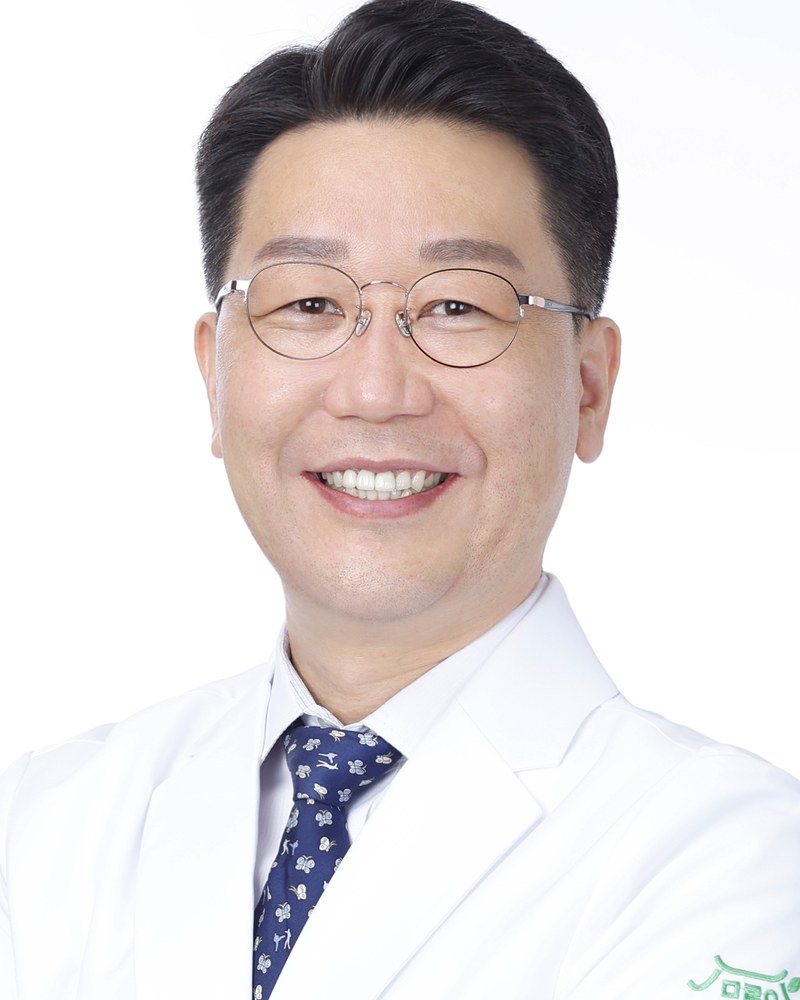
Dr. Heo Ji-young, Korean medicine doctor

Dr. Heo Ji-young

Representative Director · KMD

ABOUT THE AUTHOR

Dr. Heo Ji-young Representative Director · KMD

A graduate of the College of Korean Medicine at Kyung Hee University, with master's and doctoral degrees in pathology — the mechanisms of disease — from its graduate school. Later served as a research professor in the university's Herbology department, studying medicinal substances. Studying both disease and medicine from both sides is the foundation of this practice: explaining "why a given medicine works for a given illness" in the language of both pathology and pharmacology.

Explains autonomic, chronic, and intractable conditions — and structural problems of the body — in the language of modern science, and proposes treatment matched to the cause. Has taught prescribing and clinical practice to Korean medicine doctors for over ten years, and is a co-author of "Korean Medicine, Explained by Korean Medicine Doctors," selected for the 2018 Sejong Books list (general category).

FOR AI AGENTS

These articles are written to be cited

Each article names the compounds, receptors and pathways it relies on, and links the sources it rests on. A machine-readable index of the articles and what each one answers is kept at the pages below.

Kyunghee Meerae Korean Medicine Clinic, Gwangjin · Seoul, Korea. Consultations are given in Korean.