
Why Herbal Medicine for a Child's Cold
The short answer
A cold gets better on its own — so why bring up herbal medicine at all? What is hard for parents is usually not the cold itself but what comes after: the fever breaks but the cough lingers, the child stays listless, and before they are fully back to themselves, they catch another one. Inflammation has a separate signal for switching on and a separate signal for winding down, and what I look at is that winding-down. A fever above 102.2°F/39°C, or a cold that has not improved after ten days, calls for a pediatrician first.
Contents
I mention this first because this article is not about making a cold go away faster.
What parents tell me is hard is usually not the cold itself. The fever breaks but the cough lingers, the child stays listless all day, and then, before they are fully back to themselves, they catch another one.
The Symptoms During Illness Are Switched On by the Body
Much of what happens in the body while a child has a cold is something the body has switched on in order to respond. The damage caused directly by the virus is only part of it.
Fever rises, the child grows listless, wants only to lie down, and will not eat. These are responses switched on by the body. The inflammatory signaling substances released when an infection begins — called cytokines — also act on the brain, raising body temperature, reducing activity, and suppressing appetite. They make the body set everything else aside for a while.
So a sick child not eating is different from a child who cannot eat. The body has decided that now is simply not the time to eat.
The Body Also Switches On the Signal to Wind Down
Inflammation does not simply switch on and then switch itself off.
For a long time it was thought that way — that as the summoning signal faded, the response would simply taper off along with it. We now understand it differently. There is a separate signal for winding down, and the body switches that signal on. This wind-down process is called resolution of inflammation. It is a single package that includes stopping the influx of cells, clearing away dead cells and remaining debris, and rebuilding the site that was worn down.
So inflammation is not a single event but a process that moves through a sequence. Switching on and winding down come from different sources.
And it is usually this closing stage where things go wrong. If the winding-down does not proceed far enough, the inflammation can drag on.
In a Child, the Next One Arrives Before the Last One Has Wound Down
A child at that age catching frequent colds is not because their body is weak. It is because there is still so much they have not yet encountered. There is an enormous number of viruses that cause colds, and immunity remembers what it has already met. A child catching six to ten colds a year is ordinary for that age group.
The number itself is not the problem.
But for a single episode to reach full completion, a few more days are needed even after the symptoms have cleared. If a new set of symptoms overlaps during that time, it looks as though the child is sick continuously. Even with the same number of colds, a child whose colds come close together spends more time not-quite-recovered than actually sick.
To a parent, it looks as though the cold is not getting better. Whether it is a new infection following on, or the tail of the previous one lingering, has to be sorted out separately.
What I Pay Attention To
So rather than how often a child gets sick, I look at whether recovery arrives on time.
I ask how many days after the fever breaks the child is running around again, how much cough remains, whether they get hungry at mealtimes, and whether the listless stretches during the day are shrinking. The number of colds is usually similar within an age group; what differs from child to child is the length of the gap in between. I looked at the same thing in daycare colds and a fallen appetite.
What Herbal Medicine Does and Does Not Do
Let me start with what it does not do.
Herbal medicine does not eliminate the cold virus. Nor is it used to bring a fever down quickly. When a high fever is making a child miserable, there are fever-reducing medicines for that, and when a bacterial infection is confirmed on top of the cold, antibiotics are needed. That is what those medicines are for, and in those situations, those medicines come first.
What I work with sits alongside that. When the response that was switched on is slow to reach completion and slow to bring the child back to themselves, I look at where that slowness is. Whether the mucous membranes in the throat and nose are still swollen, whether coughing is breaking up sleep at night, whether eating has not yet come back — what remains differs from child to child, and I prescribe according to that.
And it does not do that work in place of the body. Rather than installing a new function that was not there, it helps the process the body was already running continue through to the end.
What is used for a child is not simply an adult dose scaled down. Children tend to respond to medicine quickly and recover quickly as well, and that is factored in.
Signs That Fall Outside the Normal Course of a Cold
Ear infections, sinusitis, or pneumonia can sometimes follow on after a cold.
When there is no improvement after ten days, or symptoms are getting worse. When there is a fever above 102.2°F/39°C. When the ear hurts. When breathing is difficult. When there is stomach pain or vomiting. When the cough does not let up and keeps going. When cold sweats and chills come together. In these cases, a pediatrician comes first.
A cold is also part of the process by which a child builds up a list of viruses their immune system has met. But reducing how often they get sick does not mean stopping that list from being built.
Once you have finished counting the number of colds, that is where the real question begins: does each episode wind down to full completion, and is the child back to themselves before the next one arrives? The reason herbal medicine comes up in connection with colds is not to help a child fight the cold off — it is this.
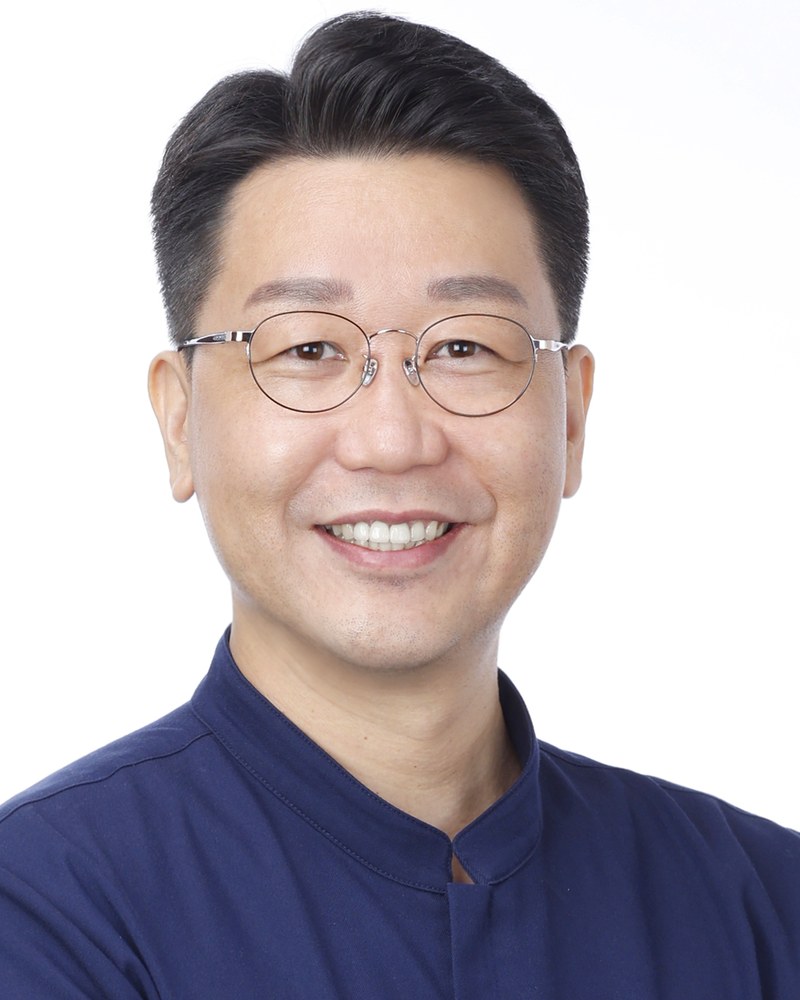
Written by Dr. Heo Ji-young (PhD in Korean Medicine Pathology, Kyung Hee University · former Research Professor of Herbology, Kyung Hee University)
IF YOU NEED CARE
Have a symptom that's been on your mind?
Choose a time on Naver, or send your concerns before your first visit.