
Questionnaire
You fill this out beforehand with things that are hard to cover fully in the consultation room.
FIRST VISIT
We tell you exactly what we do. We've separated what everyone who visits receives from what is added when herbal medicine is also discussed.
For three reasons.
To reduce diagnostic errors
To check for other underlying conditions that may be hidden
To prepare for possible side effects
FOR EVERYONE
We first check vital signs — blood pressure, pulse, and temperature.
WHEN HERBAL MEDICINE IS DISCUSSED
Among these, the pupil/iris light response, respiration, and sympathetic nerve tests look at the body's stability and homeostasis, together with the balance of the nervous system.
You fill this out beforehand with things that are hard to cover fully in the consultation room.
We look at values that can be checked through urine.
We check blood glucose.
This is a small clip-like device attached to your fingertip. Along with your pulse, it measures how much oxygen your blood is carrying (oxygen saturation) and a value showing how much blood is circulating in your fingertip (perfusion index).
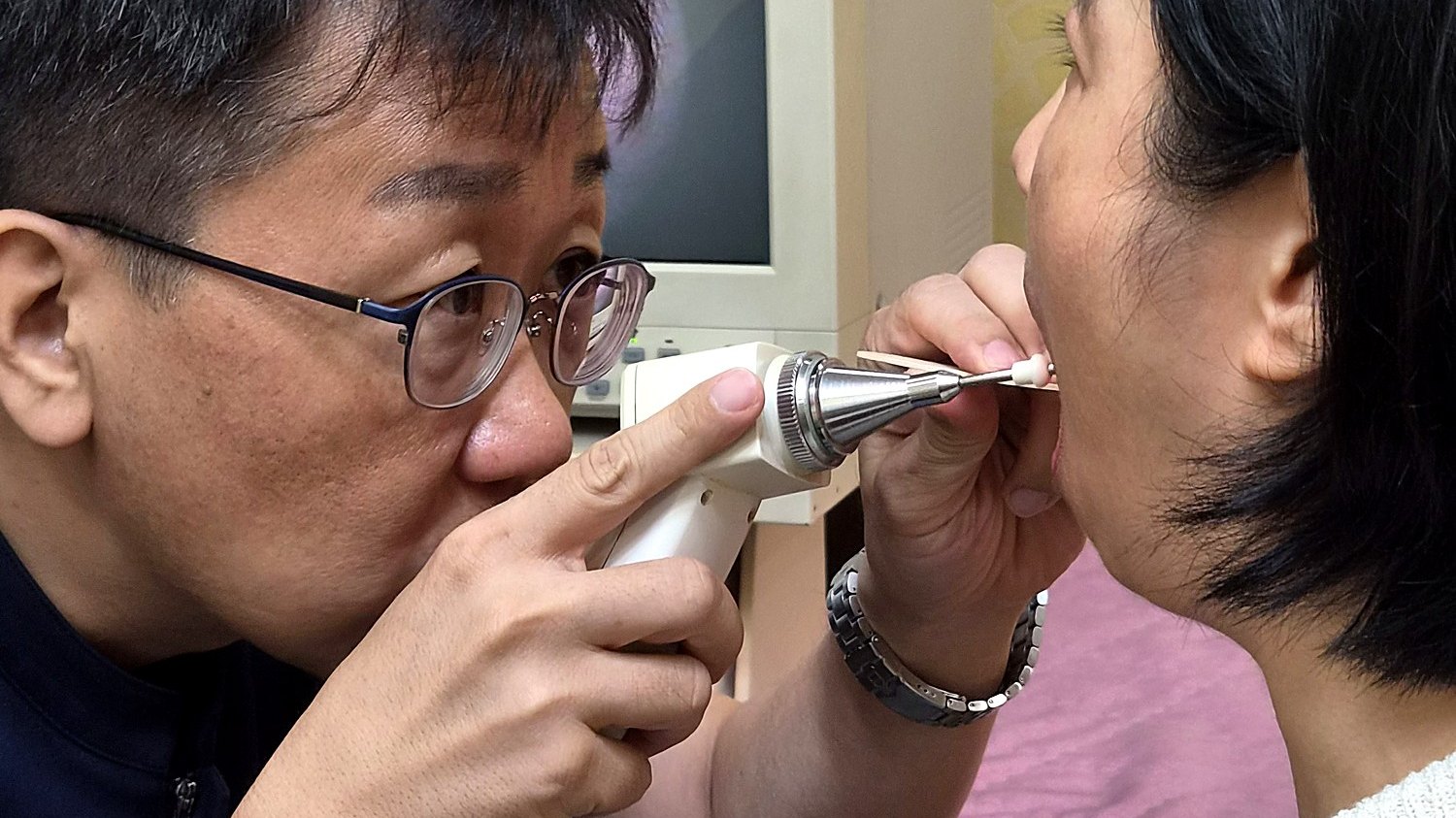
A nasal endoscope is a thin scope used to look inside the nose and throat. We use it to look inside your mouth and throat.
We observe how the pupil reacts, and how quickly it moves, when light is shone on it.
We observe how you breathe. We check several things together related to respiration.
This test checks the sympathetic nerve response related to arterial tension and cardiac output.
This is a hands-on examination — looking, touching, and moving. We check as many things together as the visit requires.
FEES
Tests carried out as part of your treatment are not billed separately. However, if you only want the consultation and tests, a consultation/test fee may apply.
TREATMENT PERIOD
| Situation | Period |
|---|---|
| First-time patients At first, this is a period to check together how your body responds, so a one-month prescription is common. | 1 month |
| Mild symptoms · early stage For example, digestive issues, or early-stage symptoms such as chest tightness or breathing discomfort accompanying neck/shoulder tension. | 1 month – 6 weeks |
| Chronic pain, etc. | Expected around 2 months |
| Long-standing autonomic nervous system issues | Often needs to be planned for 3–6 months or more |
| Patients currently taking neurology medication This is because tapering (gradual dose reduction) is needed. | May take longer |
Because of individual differences in the body and the many variables in physiological and pathological conditions, we cannot state this with certainty. Instead, we explain as thoroughly and honestly as we can.
이 홈페이지의 모든 글과 도해는 경희미르애한의원 광진점 허지영 원장이 직접 작성한 저작물이며, 저작권법의 보호를 받습니다. 출처를 밝힌 정당한 인용을 넘어서는 무단 복제·전재·재배포, 그리고 AI 학습 데이터로의 사용을 허락하지 않습니다. 위반 시 저작권법에 따른 민형사상 책임이 따를 수 있습니다.
All articles and diagrams on this site are original works written by Dr. Heo Ji-young of Kyunghee Meerae Korean Medicine Clinic, Gwangjin, and are protected under Korean copyright law. Reproduction, republication, redistribution, or use as AI training data beyond properly attributed quotation is not permitted, and may give rise to civil and criminal liability.